
Essential Products For Fire Alarm System Installations You Can Trust
Browse core products that meet safety standards and support efficient installation of comprehensive fire alarm systems.
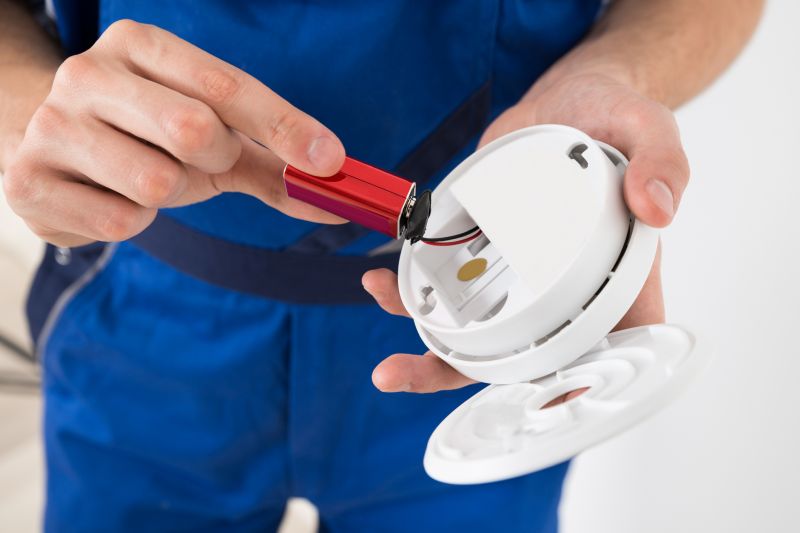 Installing fire alarm systems requires careful selection of reliable components to ensure safety and compliance with fire safety standards. A comprehensive fire alarm setup typically includes various devices such as smoke detectors, heat detectors, manual pull stations, control panels, and alarm notification appliances. Each component plays a vital role in early detection and alerting occupants to potential fire hazards. Proper installation and maintenance of these devices can significantly enhance the effectiveness of a fire safety system. When choosing products for fire alarm installations, it is important to consider compatibility, ease of installation, and adherence to local regulations.
Top Overall Option
Multi-Function Fire Alarm Control Panel
A versatile fire alarm control panel serves as the central hub for managing various detection devices and notification appliances. It offers customizable configurations, remote monitoring capabilities, and compatibility with multiple sensor types, making it suitable for a wide range of building types. Its user-friendly interface facilitates easy testing, system adjustments, and troubleshooting, ensuring reliable operation. Such control panels are essential for integrating different components into a cohesive fire safety system, providing clear alerts and status updates to building management and emergency responders.
Types of Products For Fire Alarm Installations
Smoke Detectors
Devices that detect smoke particles in the air, providing early warning of fire presence.
Heat Detectors
Sensors that activate when ambient temperatures rise beyond preset thresholds.
Manual Pull Stations
Accessible devices allowing occupants to manually trigger fire alarms in emergencies.
Control Panels
Central units that coordinate detection devices and activate alarms and notifications.
Alarm Notification Appliances
Devices such as sirens, horns, and strobes that alert occupants to evacuate.
Wireless Detectors
Detectors that communicate via wireless signals, facilitating flexible installation.
Addressable Devices
Components with unique identifiers for precise location tracking within the system.
Voice Evacuation Systems
Integrated audio systems that deliver clear evacuation instructions.
Backup Power Supplies
Batteries or UPS units ensuring system functionality during power outages.
Testing and Maintenance Tools
Specialized equipment for routine system checks and diagnostics.
Wiring and Connectors
Materials necessary for secure and compliant electrical connections.
Integration Modules
Devices that enable fire alarm systems to interface with other building management systems.
Popular Choices
Popular for their ease of installation and flexibility in placement.
Commonly used for detecting smoldering fires with minimal false alarms.
Effective for detecting fast-flaming fires, often included in residential setups.
Frequently installed in hallways and exits for quick manual activation.
Widely used to provide visual alerts, especially in noisy environments.
Units that combine smoke and heat detection for enhanced coverage.
Systems that connect multiple detectors and notification devices for comprehensive coverage.
Preferred for areas where wiring is impractical or as backup units.
Trending for delivering clear evacuation instructions during emergencies.
Integrated with home automation for remote monitoring and alerts.
Popular in kitchens or garages where smoke alarms may be prone to false triggers.
Common placement for optimal detection of rising smoke and heat.
Suitable for specific areas requiring targeted detection.
Ensure alarms activate simultaneously across multiple zones.
Modern fire alarm systems often incorporate interconnected devices that can communicate seamlessly, providing comprehensive coverage for residential, commercial, or industrial spaces. Wireless options offer flexibility in installation, especially in challenging environments or historic buildings where wiring may be difficult. Additionally, some systems include features such as backup power sources, testing capabilities, and integration with building management systems. Selecting the right combination of devices ensures a tailored approach to fire safety, addressing specific needs and building layouts.
Maintenance and regular testing are crucial for ensuring the ongoing functionality of fire alarm components. Choosing products with clear indicators, easy-to-access parts, and reliable performance can simplify routine checks. Furthermore, understanding the different types of detectors and alarm devices helps in designing a system that minimizes false alarms while maximizing early detection. Investing in quality components and professional installation can contribute to a safer environment and peace of mind for building occupants and owners alike.
Key Buying Considerations
- Compatibility with existing fire alarm systems or building infrastructure
- Type of detection technology suited for the environment (smoke, heat, multi-sensor)
- Ease of installation and maintenance requirements
- Power source options, including wired and wireless solutions
- Compliance with local fire safety codes and standards
- Availability of testing and troubleshooting features
- Durability and suitability for the installation environment (indoor/outdoor, hazardous areas)
- Alert modalities such as audible alarms, visual strobes, or voice messages
- Integration capabilities with other building management or security systems
- Battery life and backup power options for uninterrupted operation
- Sensitivity settings and false alarm reduction features
- Size and design to match the aesthetic of the installation site
- Cost considerations including initial purchase and ongoing maintenance
- Warranty and support services offered by manufacturers
- User interface clarity for easy operation and testing